

Since 1 May 2026, China has applied zero tariffs to all tariff lines for products from the 53 African countries it has diplomatic relations with. Before this, only 33 least developed African countries had full tariff-free access. The 2026 expansion added 20 more countries, including Nigeria, South Africa, Kenya, Egypt and Ghana.
A two-year window for Nigeria
For Nigeria, the treatment is a one-sided concession: Nigeria is not required to remove tariffs on Chinese goods in return. The News Agency of Nigeria describes it as a preferential window running from 1 May 2026 to 30 April 2028, during which China expects to negotiate a longer-term China-Africa Economic Partnership for Shared Development (CADEPA). The opportunity is real, but it is not permanent.
Early signs
The first figures point to growing trade. Speaking in Lagos in August, China’s Consul General Yan Yuqing said Chinese imports from Nigeria reached $2.25 billion in the first half of 2026, up 81 percent year on year, and that total trade between the two countries reached $17.4 billion over the same period, a 35 percent increase.
Zero tariff does not mean zero requirements
Removing the import duty does not remove China’s other entry rules. Exporters still need to meet them:
- A Certificate of Origin showing the product was grown, mined or substantially transformed in Nigeria.
- Inspection, quarantine and customs procedures.
- Product standards, including pesticide residue limits, packaging and Chinese-language labelling.
- Registration with China’s General Administration of Customs (GACC) where required.
- For many agricultural products, a bilateral protocol between the two countries. Without one, a product cannot enter even at zero tariff.
Import VAT and, for some goods, consumption tax still apply. A small number of quota products, such as wheat, rice, sugar and cotton, are duty-free only within their quotas.
Products in focus
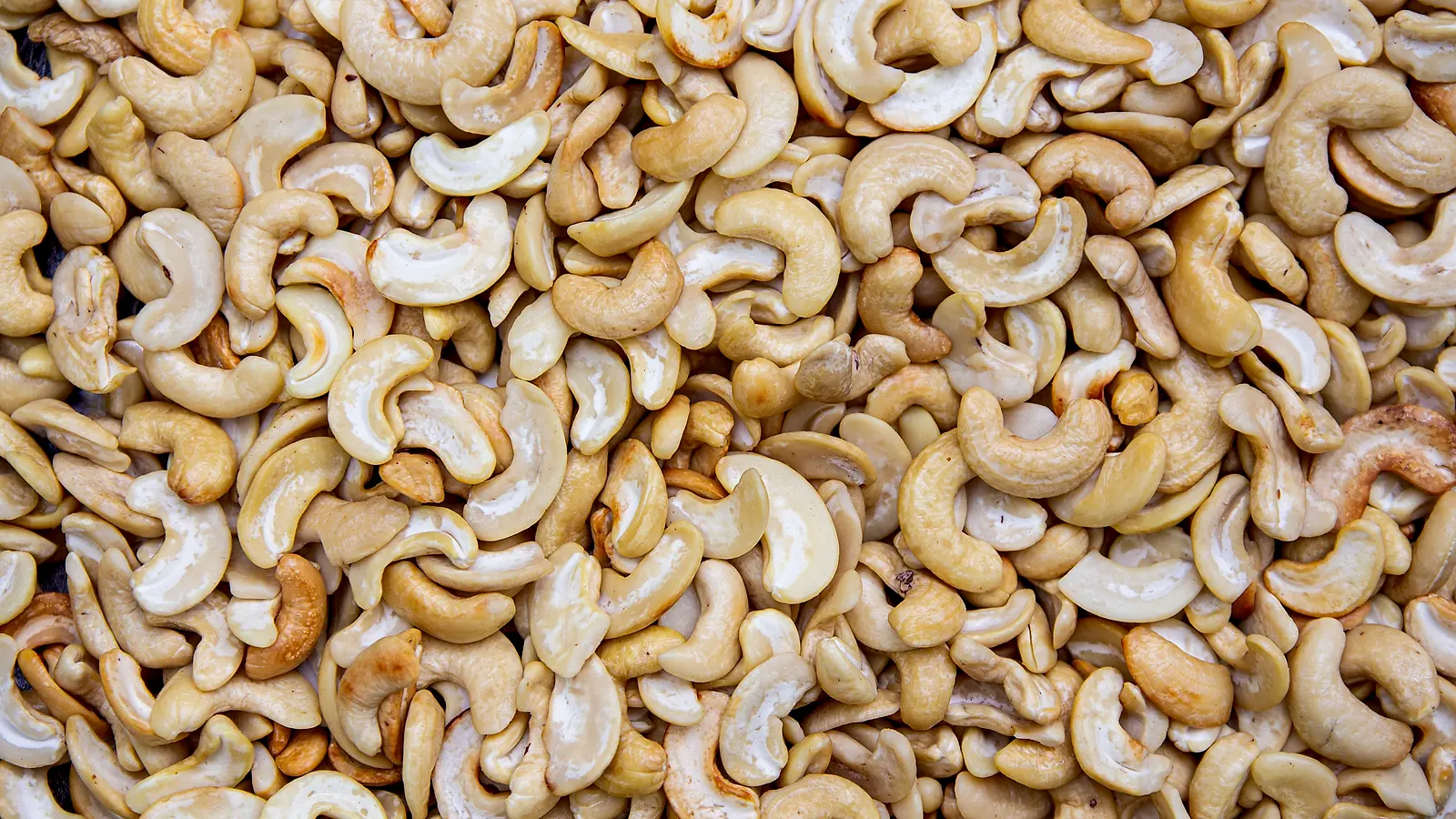
Commentators have pointed to Nigerian products such as sesame, cashew, ginger, hibiscus and solid minerals. The Nigerian Export Promotion Council has said it is seeking protocols for soybean, groundnuts and dried hibiscus.
Getting ready
The window rewards preparation: confirming that a product has market access in China, getting certificates and documents in order, meeting quality and labelling standards, and arranging reliable logistics.
Essence Point Limited supports agricultural exporters with sourcing, export documentation, quality and packaging guidance, and shipping coordination. Book a consultation to talk through your product.
Sources: Vanguard, 25 August 2026; News Agency of Nigeria, 11 November 2026.